


 Request List


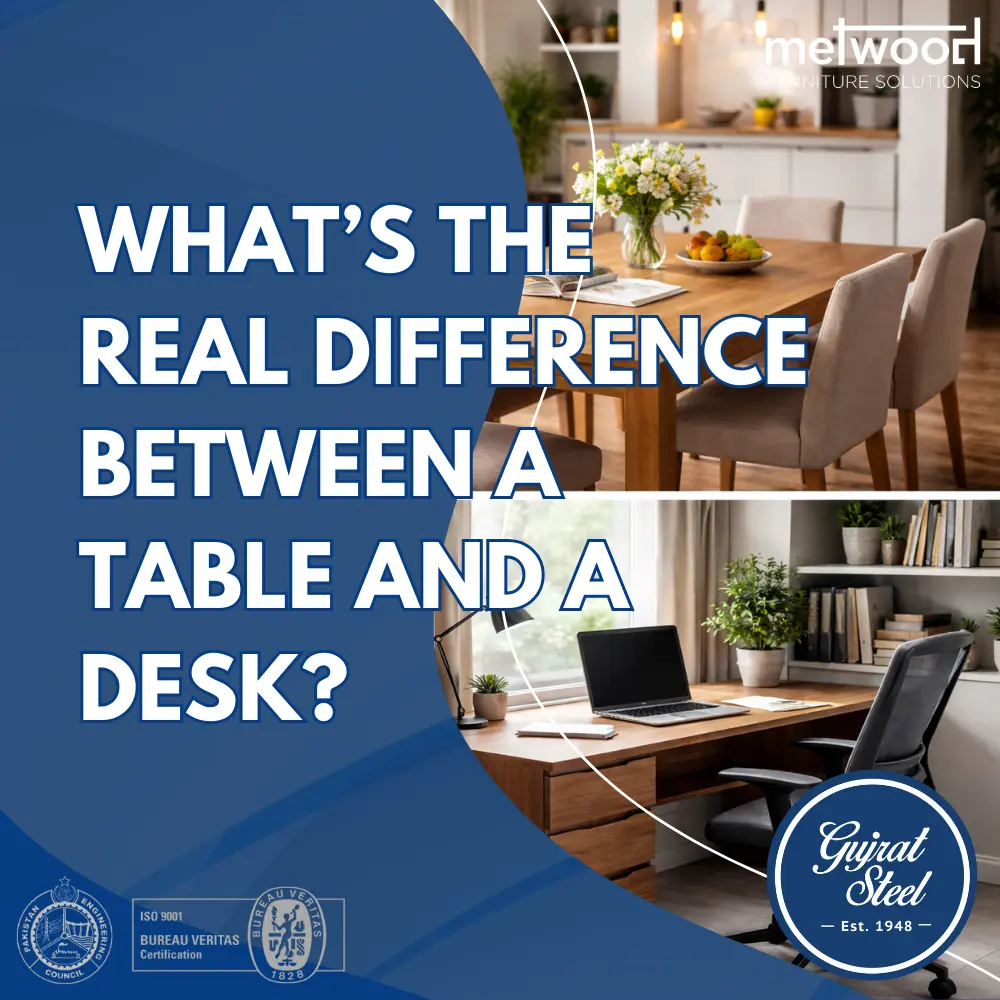
The primary difference between a table and a desk lies in their intended function and design; a desk is specifically built for work or study and almost always includes storage like drawers, while a table is a more general-purpose surface for a wide range of activities like dining or displaying items.
Key Takeaways
- A desk’s primary purpose is to be a dedicated workspace, often for a single person.
- The most significant design difference is that desks typically feature built-in storage solutions such as drawers or shelves.
- Desks are designed with ergonomics in mind, built at a specific height for comfortable, prolonged seating with an office chair.
- A table is a versatile piece of furniture used for communal activities like dining, meetings, or as a decorative surface.
- While you can use a table as a desk, it often lacks the organization and ergonomic comfort that a true desk provides.
Table of Contents
Unraveling the Great Furniture Debate: Table vs. Desk
Here at Gujrat Steel, we’ve spent decades crafting furniture that forms the foundation of homes and offices. We know that while words are often used interchangeably, the right piece of furniture can make all the difference in your daily life. This brings us to a common question: what is the actual difference between a table and a desk?
You might be working from your dining table right now, wondering if it matters. We’re here to tell you it does. Choosing the right surface for your tasks affects your comfort, organization, and even your productivity.
In this guide, we will explore the distinct roles, designs, and purposes of each. By understanding the fundamental difference between a table and a desk, you can make a more informed decision for your space, ensuring you get a piece of furniture that doesn’t just fit but functions perfectly for your needs.
What Defines a Table? The Versatile Centerpiece
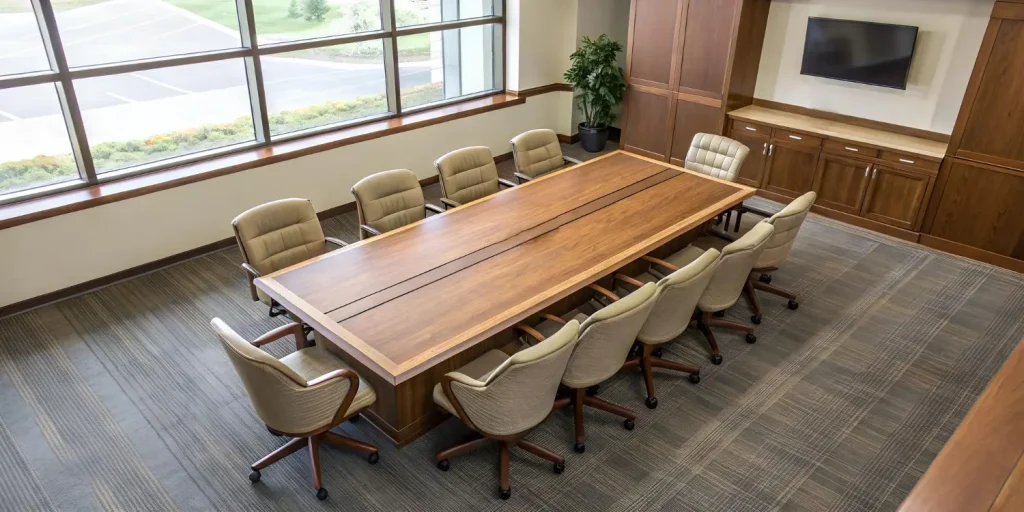
A table, in its most basic form, is a piece of furniture with a flat top supported by one or more legs. Its beauty lies in its simplicity and incredible versatility. Tables are the communal hubs of our spaces, designed for gathering, sharing, and a multitude of general activities.
Think about the various tables in a typical home: the dining table for family meals, the coffee table for holding drinks and magazines, and the console table in the hallway for keys and decor. Their design prioritizes open surface area and accommodating multiple people. While some tables might have a small drawer, storage is not their primary feature.
The construction of a table often focuses on aesthetics and durability for general use. Whether it’s made from beautiful wood, which you can learn about in our guide on the best wood for furniture, or supported by a strong metal frame, its goal is to serve a broad purpose. This adaptability is what makes the table a timeless and essential piece of furniture in any setting.
What Defines a Desk? Your Personal Productivity Hub

A desk, on the other hand, is a specialist. It is a piece of furniture with a flat, table-like surface that is specifically designed for work, reading, or writing. The most significant difference between a table and a desk is that a desk is engineered to be a personal workstation.
This focus on work is evident in its design. Desks almost always incorporate some form of storage. This can range from a single pedestal of drawers to a full hutch with shelves and cabinets, perfect for keeping stationery, documents, and other work essentials organized and within reach. This built-in organization is a key feature that sets it apart.
Furthermore, desks are designed with ergonomics in mind. They are typically built to a standardized height that pairs comfortably with an office chair, promoting good posture during long hours of work. Many modern desks also include features like keyboard trays and cable management systems to keep your workspace tidy and functional. At Gujrat Steel, our range of desks and tables is crafted to support your most productive work.
The Core Difference Between Table and Desk: A Head-to-Head Comparison
To truly understand the distinction, let’s break down the core difference between a table and a desk across several key categories. While they may look similar at a glance, their DNA is fundamentally different.
Function and Intended Use
This is the most crucial differentiator. A desk has one main job: to be a workspace. It’s a place for your computer, your paperwork, and your focus. A table is a generalist; it can be a dining surface, a place for a board game, a meeting spot, or a display area. The difference between a table and a desk starts with the question, “What is this for?”
Storage and Organization
The presence of integrated storage is the clearest visual clue. Desks are designed to manage the clutter of work. They provide a home for your pens, files, and devices. Tables, conversely, are typically open and simple, prioritizing surface area over storage. If you need to keep work items organized, a desk with built-in filing cabinets or drawers is the superior choice.
Design and Ergonomics
A desk is designed for a single user’s comfort over an extended period. Its height is calculated to align with a seated posture, reducing strain on your back, neck, and wrists. A table’s dimensions are more varied and serve different purposes. A dining table is at a height for eating, while a coffee table is much lower. The ergonomic consideration is a significant difference between a table and a desk.
When the Lines Blur: Using a Table as a Desk
In today’s world of flexible work arrangements and minimalist aesthetics, many people opt to use a simple table as their primary workspace. This can certainly work, especially if you prefer a clean, open look. However, it’s important to acknowledge the trade-offs.
The biggest challenge is the lack of storage. Without drawers, your work supplies can quickly clutter the surface, leading to a disorganized and distracting environment. You can mitigate this by adding external storage solutions, like one of our versatile cabinets or cupboards, next to your workspace.
Another concern is ergonomics. A standard dining table might be slightly too high or too low for comfortable, long-term work, potentially leading to discomfort. If you choose this path, investing in a high-quality, adjustable office chair is essential to maintain proper posture. So while possible, it’s clear that the inherent difference between table and desk makes the latter a better choice for dedicated work.
How to Choose the Right Piece for Your Needs
So, should you buy a table or a desk? To make the right choice, ask yourself these simple questions:
- What is its main purpose? If it’s for daily, focused work with a computer and papers, you need a desk. If it’s for meals, meetings, or multiple users, a table is the better option.
- How important is storage? If you need to keep supplies, files, and accessories organized and out of sight, the choice is clearly a desk.
- How much time will you spend there? For short, intermittent tasks, a table is fine. For a full workday, the ergonomic design of a desk is crucial for your long-term health and comfort.
At Gujrat Steel, we offer a vast collection of furniture to meet every need. From robust office workstations and cubicles designed for productivity to elegant tables perfect for any room, we have a solution built with durability and quality in mind. Our office table designs blog post may also provide some inspiration.
Conclusion
In the end, the difference between a table and a desk comes down to purpose-built design. A desk is your partner in productivity, crafted with work and organization in mind. A table is a versatile hub for life’s many activities. By choosing the right one, you create a space that is not only stylish but also perfectly functional for your needs.